

8 Easy Ways to Help Your Child Fall in Love with Reading (Fun Reading Activities for Kids)
 Reading Time: 5 minutes
 How to Engage Your Kids in Fun Reading Activities and Help Your Child Fall in Love with Reading
Reading can be a fun activity, a powerful way to manage stress, and a bridge to lifelong educational success.
Unfortunately, many children are resistant, and parents often struggle to get their kids excited about books.
The good news?
With the right approach, you can absolutely help your child fall in love with reading—and even turn it into something they look forward to every day.
Here are eight easy, practical, and fun strategies to spark that love of reading and make it stick.
1. What Does Your Child Enjoy? Start with Their Interests
Each child has their own unique personality, interests, and preferences—and the same is true when it comes to books.
Just because your older child loved the Percy Jackson series doesn’t mean your other child will feel the same way.
To truly help your child fall in love with reading, start by discovering what excites them.
Ask:
- What topics do you like?
- Do you prefer funny, adventurous, or mysterious stories?
If they’re unsure, explore together!
Try a mix of:
- Funny stories
- Meaningful or emotional reads
- Action-packed adventures
- Mysteries
- Futuristic tales
- Animal stories
- Nonfiction or fact-based books
- Graphic novels
After sampling, ask what they liked most—and why.
This simple step helps you narrow down the perfect book choices and makes your child feel involved in the process.
Be sure to tune in next week when I share 40 Fabulous Spring Reads for Ages 4-YA!
2. Use Audiobooks to Make Reading Easier and More Fun
Audiobooks can be a game-changer.
In 25 + Fabulous and Fun Books for You to Read Over the Weekend (Adults)
I share how to find audiobooks for free.
This is a great tip for checking out audio books for the kids as well.
Many libraries offer thousands of juvenile and young adult titles in audio format—making stories more accessible than ever.
If your child finds reading challenging but loves stories, let them listen while following along in the book.
This approach:
- Makes reading less intimidating
- Brings characters to life with expressive voices
- Builds comprehension and vocabulary
- Strengthens confidence
Sometimes, the first step to helping your child fall in love with reading is simply letting them experience the joy of a great story—no pressure attached.
3. Why Reading the Same Book Twice Builds Confidence
Reading the same book again is not only okay—it’s incredibly beneficial.
If your child first listens to a book and then chooses to read it independently, that’s a huge win!
Knowing the storyline gives them confidence to tackle the text on their own.
Children who struggle with reading often love repetition.
It allows them to:
- Catch details they missed before
- Understand characters more deeply
- Enjoy humor and subtle moments
Re-reading builds fluency, confidence, and comfort—all essential pieces if you want to help your child fall in love with reading.
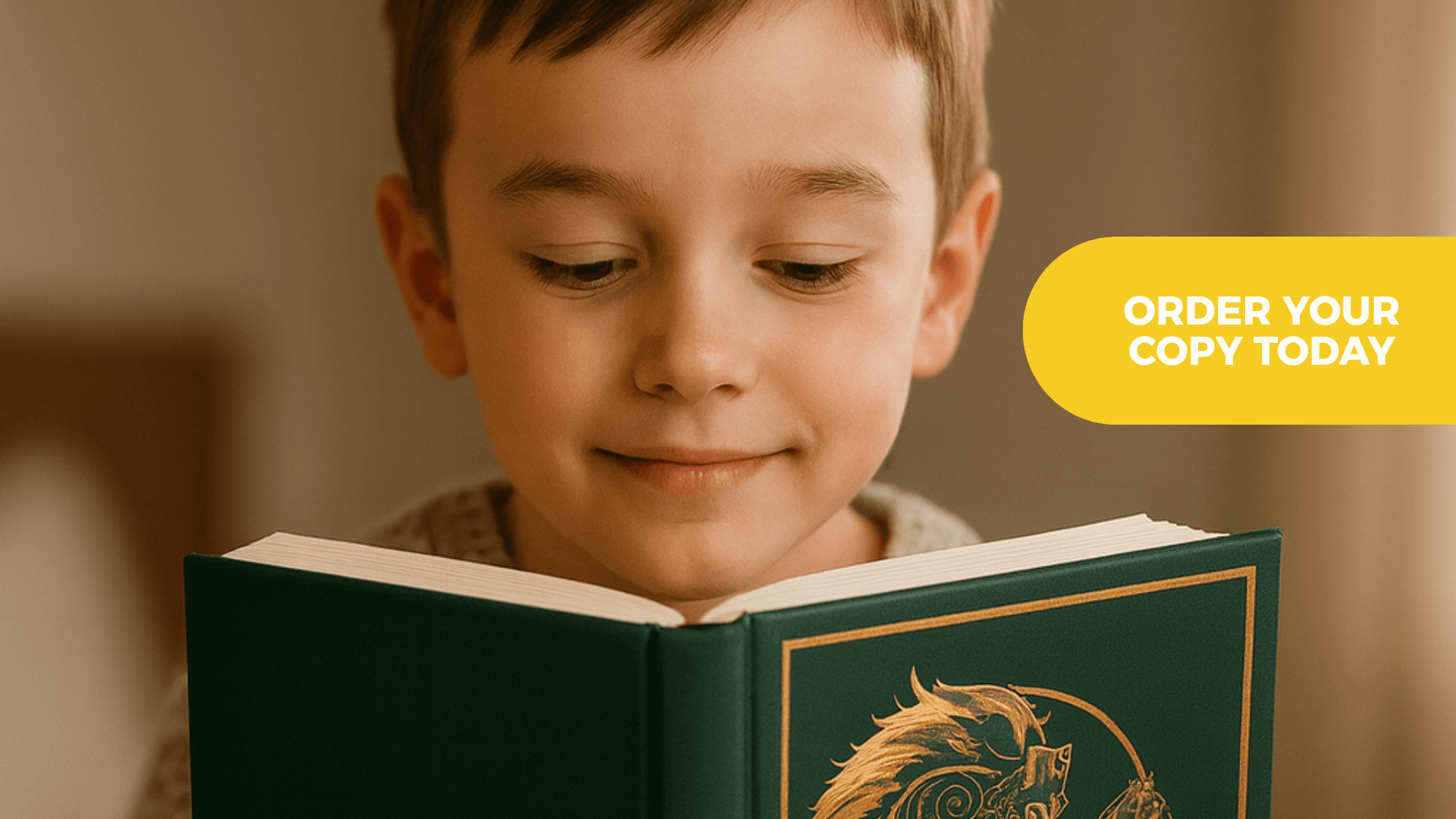
4. Model Reading Habits Your Child Can Follow
Modeling matters—more than we sometimes realize.
Yes, life is busy.
But if children never see adults reading, it’s hard for them to believe it’s important or enjoyable.
Even a few minutes a day makes a difference.
Let your child see you:
- Reading a book
- Flipping through a magazine
- Enjoying a quiet reading moment
Take it one step further—talk about what you’re reading:
- What do you like about it?
- What surprised you?
- What’s frustrating or exciting?
Invite your child to share their thoughts too.
Turning reading into a conversation makes it social, engaging, and meaningful.
5. Make Library Visits an Exciting Adventure
The library is more than just shelves of books—it’s a hub of discovery, creativity, and community.
Make visits something your child looks forward to:
- Let everyone pick their own books
- Explore new sections together
- Attend story times for younger kids
- Join reading challenges
- Look for clubs or events for older children and teens
When the library becomes an exciting outing instead of a chore, reading naturally becomes part of the fun.
6. Show How Reading Fits into Everyday Life
Still have a reluctant reader?
Show them how reading is part of everyday life.
Get hands-on with activities that naturally require reading:
- Cooking: Read recipes together and follow steps
- Building: Use instructions for models or furniture
- Gardening: Learn about planting, care, and growth
- Games: Try board games that require reading cards or directions
When children see reading as a tool—not just a school task—they begin to understand its value in the real world.
7. Turn Your Child into a Book and Movie Critic
Turn reading into an interactive experience by pairing books with movies.
Have your child:
- Read the book first
- Watch the movie together
- Share their thoughts
Ask:
- Which did you like better?
- What was different?
- Were the characters portrayed the way you imagined?
Kids love having opinions—and being the “critic” makes reading feel purposeful and exciting.
Sometimes, they’ll fall in love with the discussion first, and the reading follows naturally.
8. Encourage Reading with Fun Magazine Subscriptions
You’ve got mail!
There’s something magical about getting mail—especially when it’s just for you.
Consider a magazine subscription tailored to your child’s interests:
- Animals
- Sports
- Cars
- Puzzles and mazes
- Fun facts
There are options for kids as young as three, and nearly every interest is covered.
Monthly delivery builds anticipation and creates a consistent, low-pressure reading habit.
Final Thoughts: Helping Your Child Fall in Love with Reading
The benefits of regular reading in childhood are well documented—from stronger academic performance to improved imagination and emotional development.
But let’s be honest—it can feel exhausting when your child resists reading.
That’s why these strategies matter.
With patience, creativity, and a little flexibility, you can help your child fall in love with reading in a way that feels natural, enjoyable, and lasting.
A story can be new and yet tell about olden times. The past comes into existence with the story.
~ Never Ending Story