
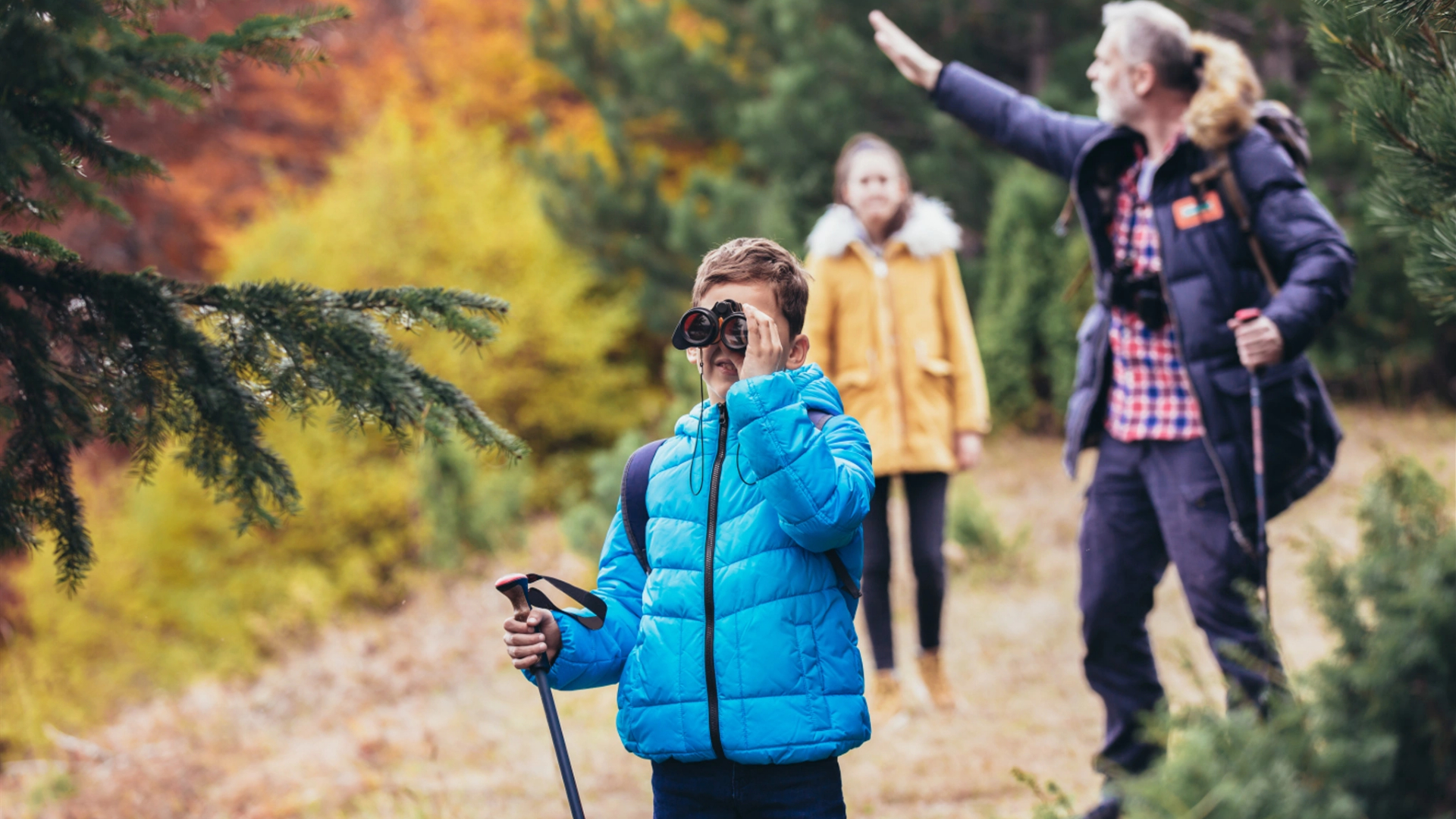
National Parks Passport Book: A Fun Way to Explore Parks with Kids This Summer
 Reading Time: 6 minutes
 If you’ve ever tried to balance summer fun with a little bit of learning, you know how tricky it can be.
Worksheets get ignored, schedules fall apart, and before long, everyone just wants snacks and screen time.
But there’s a simple way to turn ordinary outings into something a lot more meaningful—without making it feel like school.
A Passport Book to National Parks does exactly that.
It transforms hikes, road trips, and even quick day visits into small, memorable adventures.
To kids, it feels like a game.
To parents, it’s a surprisingly easy way to weave in history, science, and geography.
And the best part?
It doesn’t require a complicated plan.
What a National Parks Passport Book Actually Is
At its core, a Passport Book to National Parks is a small, portable journal designed for collecting stamps.
It includes hundreds of national parks, monuments, seashores, and historic sites across the country, all organized by region.
When you visit a park, you stop by the visitor center and stamp your book with that location’s unique cancellation stamp.
Some parks also offer stickers.
Over time, the book fills up with marks from places you’ve explored together.
That’s it.
No instructions, no curriculum, no pressure.
But somehow, that simple act—collecting a stamp—changes the way kids experience a place.
Instead of just “being there,” they’re on a mission.
They’re explorers.
They’re collecting something tangible that represents where they’ve been.
Why Families Love It
There’s something about summer that invites spontaneity.
You might take a weekend trip, visit family, or just look for something to do on a long afternoon.
The passport book fits seamlessly into all of that.
It gives every outing a purpose without adding stress.
Instead of asking, “What should we do today?” you can say, “Let’s go get a new stamp.”
That one small goal is often enough to get kids excited to leave the house.
It also works for a wide range of ages.
Younger kids love the physical act of stamping and collecting stickers.
Older kids start to enjoy the idea of completing regions or building a collection over time.
Even teens can get into it when it’s framed as a travel challenge or a way to document places they’ve been.
And because it’s so flexible, it works whether you’re planning a full vacation or just stopping by a nearby site for an hour.

How to Get Started
Getting started is refreshingly simple.
First, pick up a passport book.
You can usually find one at a park visitor center or through a trusted retailer, and it’s relatively inexpensive.
It’s worth noting that the book itself isn’t a pass for park entry—you’ll still pay any standard entrance fees—but the stamps are free.
Once you have the book, take a few minutes to flip through it.
The parks are divided into regions, each with its own map and list of locations.
This is where the excitement often begins.
Kids start pointing out places they want to visit someday, and suddenly you have a running list of future adventures.
From there, you can decide how you want to approach it.
Some families aim for one new stamp a week.
Others try to complete a region over the course of the summer.
And some just bring the book along wherever they go and collect stamps when the opportunity comes up.
There’s no right way to do it—which is exactly why it works.
The One Rule That Makes It All Work
If there’s one thing to keep in mind, it’s this: you need to stop at the visitor center.
Most stamps aren’t available out on trails or at scenic overlooks.
They’re typically located inside visitor centers or at designated stamping stations.
That means you can’t just drive through and call it done—you have to step inside.
But that small extra step is where a lot of the magic happens.
Visitor centers are full of information, exhibits, and park rangers who genuinely enjoy sharing what makes that place special.
A quick stop often turns into a short conversation, a fun fact, or a story that sticks with your kids far longer than anything they’d read in a book.
Without planning a “lesson,” you’ve just added one.
Ways to Make It Even More Fun
While the passport book works perfectly on its own, you can layer in a few simple ideas to make it even more engaging—without turning it into a structured project.
For example, you can create a small challenge: collect five stamps in one region before the end of summer.
It gives kids a sense of progress and something to work toward.
You can also use the blank space in the book creatively.
After each visit, kids might draw their favorite part of the trip, jot down something they learned, or even tape in a small photo.
Over time, the book becomes more than a collection of stamps—it becomes a personal record of your adventures.
Another fun option is to pair it with Junior Ranger programs, which many parks offer.
Kids complete a short activity booklet and earn a badge.
Adding that experience to their passport gives them an even stronger sense of accomplishment.
Or keep it simple.
Ask a question in the car on the way home: “What was your favorite part?” or “What animal did you see today?”
The goal isn’t to quiz—it’s just to help them notice and remember.
Why It Works for Almost Any Family
One of the best things about the passport book is how adaptable it is.
It doesn’t matter whether you homeschool, follow a traditional school schedule, or don’t think about “educational activities” at all.
This works for everyone.
Grandparents can turn it into a special outing tradition.
Parents can use it to add a little structure to summer without overcomplicating things.
Kids of all ages can engage with it in their own way, whether that means collecting stickers, checking off locations, or building a long-term travel goal.
Even if you only visit a handful of parks, the book becomes something meaningful.
Years later, you can flip through it and remember where you went, what you saw, and how your kids experienced those places at different ages.
It quietly becomes a memory book.
Keeping It Light (So It Actually Lasts)
The biggest mistake you can make with something like this is turning it into an assignment.
It’s tempting to add requirements—write a paragraph after each visit, research the park ahead of time, track every detail—but that can quickly take the fun out of it.
Instead, keep it as light as possible.
**Important to note-the parks are a fabulous educational tool and I did to an entire article on lessons you can do at the parks-if you are interested in those head to: National Park Passport Book for Homeschoolers.**
Let kids engage at their own level.
Some days they’ll be excited and curious.
Other days they’ll just want to stamp the book and move on. Both are fine.
The goal isn’t to maximize learning.
It’s to create positive experiences around being outdoors, exploring new places, and noticing the world a little more closely.
The learning happens anyway.
A Simple Way to Make Summer More Memorable
At the end of the day, a Passport Book to National Parks is a small thing.
It’s inexpensive, easy to carry, and doesn’t require much effort.
But it changes the tone of your outings in a subtle, powerful way.
It turns “just another trip” into something with a purpose.
It gives kids a reason to be engaged.
And it creates a collection of shared experiences you can look back on together.
So if you’re looking for a simple way to make this summer feel a little more adventurous, a little more connected, and a little more meaningful, this might be it.
Grab a passport book, pack some snacks, and head out to collect your first stamp.
The rest tends to take care of itself.
“The world is full of magic. Small things become big. Winter turns to spring. One thing always changes into another.”
– Denahi in Brother Bear