
Your Child’s Love Language: How to Help Your Love Really Land
 Reading Time: 6 minutes
 You love your child.
That part is never in question.
And yet, there are moments when you find yourself wondering why all that love doesn’t seem to be landing the way you hoped.
You show up.
You care deeply.
You’re doing what love looks like to you—and still, your child may seem distant, overwhelmed, or hard to reach.
Those moments can feel confusing.
Even discouraging.
But usually, it isn’t because love is missing.
It’s because love is being offered in a way your child doesn’t naturally recognize yet.
Every child has their own way of feeling loved.
When you begin to understand that way—their way—connection starts to feel easier, calmer, and more meaningful for both of you.
What Is Your Child’s Love Language?
A love language is the primary way a person experiences love. It’s how love feels real, safe, and personal to them.
Children have love languages too, even when they can’t put words to them.
They show us through what they ask for, what comforts them, and what they seem to need most when emotions run high.
Many of us naturally give love the way we want to receive it.
That’s completely human.
But your child may experience love differently—and when love is expressed in their language, it tends to land more clearly.
Understanding your child’s love language can help you:
- Strengthen emotional connection
- Reduce misunderstandings and power struggles
- Support your child’s emotional growth
- Build trust that lasts well beyond childhood

When Your Love Misses the Mark
Have you ever thought about the love you give, the language you use… and still felt like it didn’t land?
Maybe you showed up, fixed the problem, bought the thing, or said the right words—and your child still melted down, pulled away, or seemed unmoved.
I have talked a lot about learning styles.
How these are so important for your child in school and life.
I most recently talked about how to make chores easy when you communicate in your child’s learning style.
Your child’s love language is almost the exact same thing, just communication for another part of their life
Some kids feel closest when you sit beside them and listen.
Others feel safest when you help, hug, or notice them out loud.
None of these are wrong—they’re just different.
When you start noticing how your child receives love, those moments begin to make more sense.
And suddenly, small shifts can create big connection.
The Five Love Languages for Children
Most children lean strongly toward one love language, though many have a close second.
You may even recognize yourself in some of these.
Quality Time
“I feel loved when you’re really with me.”
If your child lights up when you slow down, make eye contact, or sit beside them, quality time may be their love language.
This doesn’t mean elaborate plans. It means presence.
You might notice your child:
- Asking you to play, talk, or “just sit with me”
- Getting frustrated when you’re distracted
- Calming quickly once you’re fully engaged
Ways to speak quality time:
- Take a walk together and let them lead the conversation
- Let your child choose a restaurant or snack stop
- Read together at night, even if it’s just a few pages
- Play a game or work on a puzzle side by side
- Plan a simple outing to the park, library, or zoo
- Cook or bake together without rushing
For these kids, love sounds like: “You matter enough for my attention.”
Acts of Service
“I feel loved when you help me.”
Children who value acts of service notice effort. T
hey feel cared for when you step in, support them, or make life a little easier.
You might see this in a child who:
- Appreciates when you help, even if they don’t say it
- Feels comforted when you’re actively involved
- Lights up when you “partner” with them
Ways to show love through acts of service:
- Make their favorite meal or snack
- Do chores together as a team
- Help them learn a new skill
- Sit with them through homework or a project
- Go out of your way to do something they enjoy
To these children, love feels like: “You’re not alone. I’ve got you.”
Receiving Gifts
“I feel loved when you thought of me.”
This love language isn’t about stuff—it’s about being remembered.
Children who feel loved through gifts are tuned in to meaning.
A small token can carry big emotion when it represents thoughtfulness.
You might notice your child:
- Holding onto keepsakes
- Remembering who gave them what
- Feeling especially loved by surprises
Thoughtful gift ideas:
- A book or magazine tied to their interests
- Making a gift together (for them or someone else)
- A small keepsake like a keychain or zipper pull
- Starting a collection together—rocks, postcards, stickers
- A surprise favorite treat
What they hear is: “You were on my mind.”
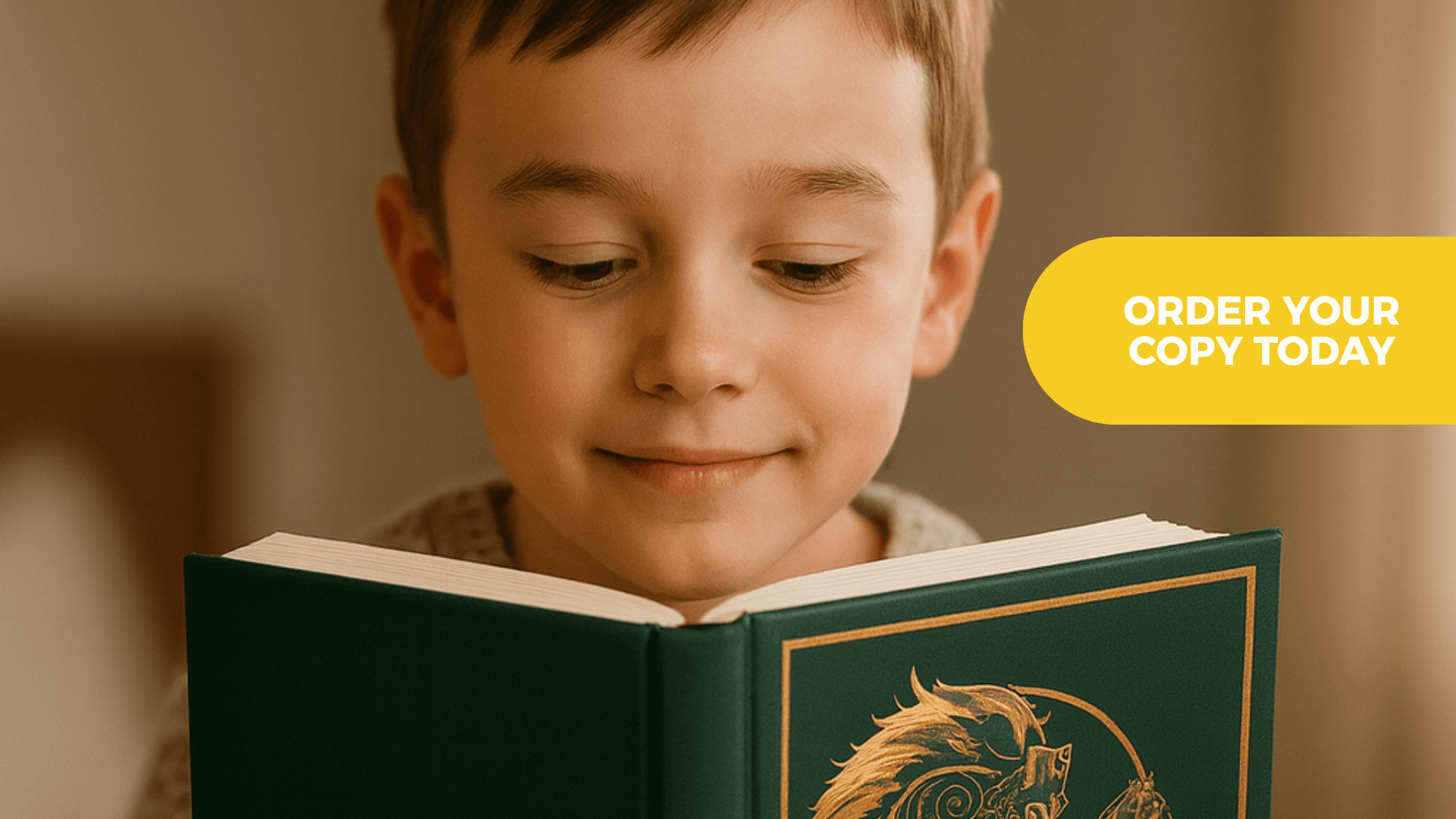
A Storybook Heirloom Your Child Will Love and Learn From:
Physical Touch
“I feel loved when I’m close to you.”
For some children, love is felt through physical connection.
Touch helps them regulate, feel safe, and feel secure.
You may notice this in a child who:
- Seeks hugs or closeness
- Sits near you often
- Calms with physical reassurance
Ways to express love through touch:
- Hugs (longer hugs matter)
- Cuddling while reading or watching a movie
- Back scratches or gentle massages
- A family handshake or special fist bump
- A fun at-home “spa day”
What they hear is: “I’m safe with you.”
As children grow, physical touch changes—but the need for connection doesn’t disappear.
Words of Affirmation
“I feel loved when you say it.”
Some children carry your words with them everywhere they go.
Praise, encouragement, and kind language shape how they see themselves.
You might notice your child:
- Thriving on praise
- Remembering compliments
- Being deeply affected by criticism
Ways to use words of affirmation:
- Leave notes in lunches or backpacks
- Write a letter listing what you love about them
- Name their strengths out loud
- Compliment them in front of others
- Create affirmations together
One fun idea is an acrostic using their name or the month, with each letter describing something positive about them.
For these kids, love sounds like: “I see you, and I’m proud of you.”
What If Your Child Has More Than One?
Many children do.
Most have a primary love language and a close second.
The good news?
One loving moment can often speak multiple languages—reading together can be quality time and physical touch; cooking together can be quality time and acts of service.
This isn’t about getting it perfect.
It’s about becoming more aware.
How You Can Start Noticing Your Child’s Love Language
You don’t need a quiz to begin (though they can help).
Start by watching:
- What your child asks for when they’re upset
- What comforts them most quickly
- How they show love to you
- What they complain about missing
Your child is already telling you what they need—just in their own way.
You don’t need to overhaul your parenting or add more to your plate.
Small shifts count.
A little more noticing.
A little more intention.
You already love your child.
Learning how to “tell” them in their love language simply helps your love land where it matters most.
You’ve got this—and your child is lucky to have you trying.