
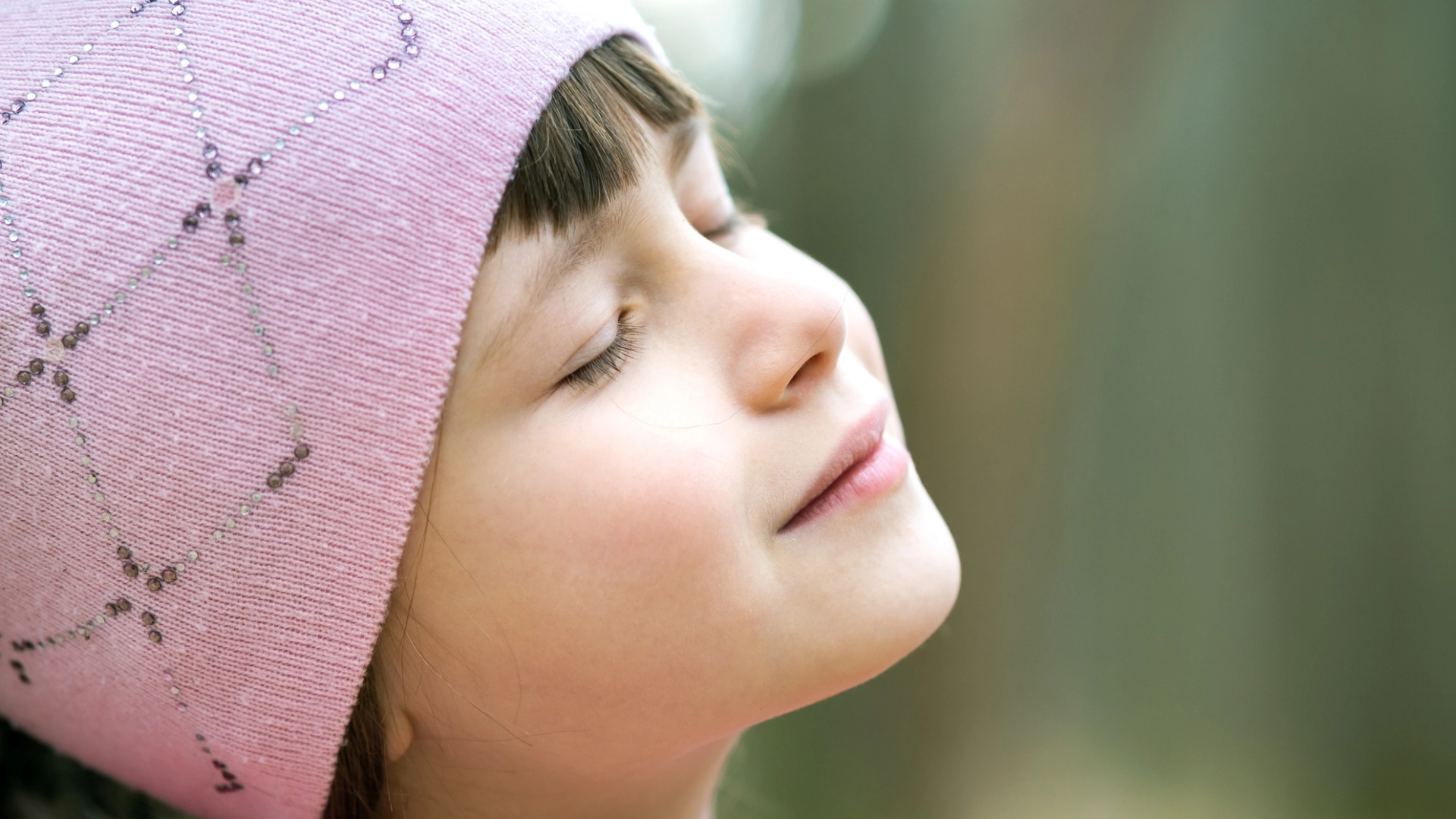
Helping Kids Find Their Calm through Mindfulness
 Reading Time: 6 minutes
 Happy Kids, Peaceful Minds
In today’s fast-paced world, children are constantly bombarded with stimuli from various sources, including social media, television, and video games.
As a result, they often struggle to manage their emotions, leading to increased stress, distraction, and anxiety levels.
Mindfulness, the practice of being present and fully engaged in the moment, offers a valuable tool to help them navigate these challenges.
By cultivating mindfulness, kids can develop emotional awareness, self-regulation skills, and resilience, enabling them to better cope with the demands of modern life.
Research has shown that mindfulness practices can have a positive impact on children’s mental health, reducing symptoms of depression and anxiety while improving overall well-being.
The Benefits of Mindfulness for Children
Mindfulness means paying close attention to what is happening around you and inside you, like your thoughts, feelings, and body sensations.
It’s like using a special superpower that helps you focus on the present moment without worrying about the past or the future.
When you’re mindful, you can calmly notice how you feel and what is going on without judging yourself or others.
It’s all about being aware, kind to yourself, and taking a moment to breathe and relax.
There are many benefits to practicing mindfulness:
• Develop emotional regulation
• Manage stress and anxiety
• Enhance focus and concentration (leading to better academic performance)
• Emotional well-being
• Train minds to pay attention to one task at a time
• Enhanced emotional regulation
• Improves sleep quality
• Increased self-esteem

How Do I, a Parent, Teach My Child Mindfulness?
• Lead by Example: This is always the least favorite answer!
It is also what kids first look to-what are you modeling?
If you do not currently practice mindfulness techniques, learn together!
• Make it Fun: Incorporate games and activities that are engaging and age-appropriate.
Examples: Mindful breathing exercises, mindful listening games, and mindful coloring.
• Daily Routine: Encourage integrating mindfulness into daily routines.
Consistency is key for both of you.
Get into a routine, even if it is just 5 minutes a day!
Examples: Mindful eating, mindful walking, and bedtime mindfulness practices.
• Start Small: Begin with short, simple mindfulness exercises and gradually increasing duration.
It is difficult to love anything that we are new and “clumsy” at.
It is even more difficult to want to do something that is new, we may feel awkward doing and takes a long time!
Set yourself and your child up for just a short amount of time; as you both feel more comfortable, add time.
• Be Patient: Patience and understanding are important, as children may take time to adapt to mindfulness practices.
• Create a Calm Environment: Set up a quiet, comfortable space for mindfulness activities.
Here are some suggestions:
• Minimize clutter
• Use soft lighting
• Play soothing music
• Incorporate plants
• Use essential oils
Mindfulness Activities
*I confess I got the activity definition and benefits on Chatgpt so you could have a thorough description of how to do them!
- Rainbow Breathing
Activity: Guide children through a breathing exercise by having them imagine inhaling and exhaling different colors of the rainbow.
As they breathe in, they visualize one color, and as they breathe out, they release any stress or tension, moving through all the colors of the rainbow.
Benefit: Encourages mindful breathing while engaging the imagination, helping children improve focus, calm their minds, and regulate emotions.
- Glitter Jar:
Activity: Create a glitter jar by filling a clear jar with water, adding glitter glue and extra glitter.
Shake the jar and watch the glitter settle.
Encourage children to focus on the glitter as it slowly falls to the bottom.
Benefit: Provides a visual and calming method to help children manage their emotions and settle their thoughts.
- Mindful Coloring:
Activity: Provide children with mandalas or other intricate coloring pages. Encourage them to color slowly and mindfully, paying attention to the colors and staying within the lines.
I like to add soothing music to this!
Benefit: Enhances focus and attention to detail, promoting a meditative state.
- Body Scan Meditation:
Activity: Guide children through a body scan meditation where they focus on each part of their body, starting from their toes and moving up to their head.
Ask them to notice any sensations or feelings in each area.
This is an incredibly beneficial skill for more advanced meditations later.
Benefit: Improves concentration and awareness of their body, promoting relaxation.
- Mindful Nature Walk:
Activity: Take children on a nature walk and encourage them to notice the sights, sounds, and smells around them.
Ask them to describe what they see and hear.
Try to concentrate on senses other than sight, if your child is really good at this!
Benefit: Promotes mindfulness and connection with nature, enhancing overall well-being and reducing stress.
- Loving-Kindness Meditation:
Activity: Guide children in a loving-kindness meditation where they send kind thoughts to themselves, their loved ones, and others.
Use phrases like “May I be happy, may I be healthy, may I be safe.”
Benefit: Cultivates compassion and positive emotions, improving emotional well-being.
- Mindful Storytime:
Activity: Read a mindfulness-themed book and discuss the story with the children.
Ask questions about how the characters might feel and how they could use mindfulness to handle different situations.
*Many children may not understand “how they could use mindfulness to handle different situations.”
So instead ask questions like what would have happened if this character had stopped and taken a few breaths before acting?
Or, this character seemed overwhelmed, what do you think could have helped them?
Benefit: Reinforces mindfulness concepts and emotional regulation through storytelling.
- Yoga for Kids:
Activity: Introduce simple yoga poses and guide children through a short yoga session, focusing on breathing and movement.
Benefit: Combines physical activity with mindfulness, promoting focus, emotional regulation, and overall well-being.
- Earthing:
Activity: Encourage children to walk barefoot on grass, soil, or sand, focusing on how the ground feels beneath their feet.
Have them sit or lie down on the ground and take slow, deep breaths while noticing their connection to nature.
Benefit: Helps children feel grounded and connected to nature, reducing stress, improving emotional regulation, and enhancing a sense of calm and well-being.
- Take a Warm Bath
Activity: Fill the tub with warm water and add fun elements like toys, bubbles, or a bath bomb.
Let children enjoy the soothing sensation of the water while they play or relax.
Benefit: Helps children unwind, offering a calming sensory experience that promotes relaxation and emotional balance.
- Watch Clouds and Imagine Shapes
Activity: Lie on the grass or look out a window at the sky.
Observe the clouds and use your imagination to identify shapes, animals, or objects they resemble.
Share and discuss what you see.
Benefit: Encourages creativity, focus, and mindfulness as children engage with their surroundings and stay present in the moment.
- Do a Puzzle
Activity: Select a puzzle with an appropriate level of challenge for the child’s age or skill level.
Work on completing it together or independently, piece by piece.
Benefit: Promotes problem-solving, concentration, and a sense of achievement, helping to calm the mind and reduce stress.
There are apps, of course, for kids for meditation and mindfulness.
However, I am feeling a no technology vibe with this blog, so I am not going to recommend any.
If this is your way of doing things, feel free to look them up, there are plenty!
Making it a Habit: Integrating Mindfulness into Your Child’s Routine
By incorporating mindfulness into your child’s daily routine, you can empower them to develop a lifelong habit of self-awareness and emotional regulation.
• Start small
• Make it fun
• Encourage your child to take ownership of their mindfulness practice
• Consistency!
• Patience
Teaching mindfulness to our children is a powerful way to empower them with the tools they need to navigate the challenges of growing up.
By incorporating mindfulness practices into their daily routine, we can help reduce stress and anxiety, improve emotional intelligence, and foster a sense of calm and focus.
When we make mindfulness a priority, we can give them the gift of self-awareness, resilience, and inner peace – essential qualities for a brighter future.
“They’re driving right by, they don’t even know what they’re missing.” (Cars)
– Lightening McQueen