
Standing Up to End Bullying—Together
 Reading Time: 7 minutes
 Bullying Isn’t Just a Kid Problem: How Awareness Can Change Everything
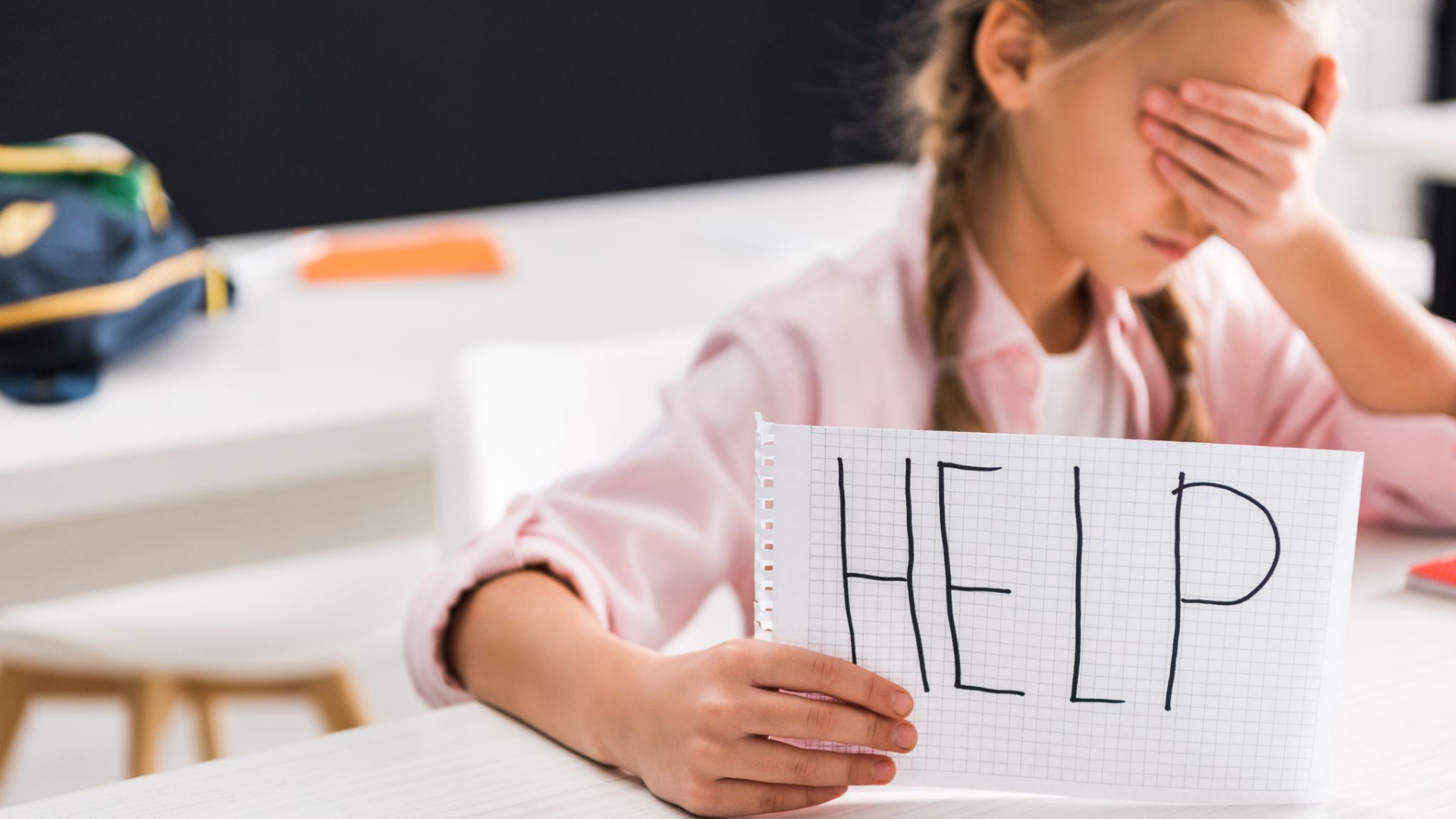
October is National Bullying Prevention Month, and every year it serves as an important reminder: bullying is still very much a part of our world.
For many of us, when we hear the word “bully,” we picture the schoolyard—maybe the tough kid stealing lunch money, pushing smaller kids around, or mocking someone who looks different.
And yes, that kind of bullying still happens.
But the truth is, bullying goes far beyond the playground.
It stretches into classrooms, workplaces, churches, community groups, and even within families.
And the more we look around, the more we realize something sobering: bullying isn’t just a “kid problem.”
Adults bully, too—and when they do, their children are watching, learning, and often repeating the same patterns.
So, let’s take a deeper look at what bullying really is, why awareness matters, and how kindness and courage can begin to change things.
When we understand all of these things we can stand together to end bullying.
The Reality of Bullying in Our Society
When most people think of bullying, they think of physical aggression: hitting, shoving, or outright intimidation.
And while those are certainly forms of bullying, they’re only part of the picture.
Bullying is really about power—using words, actions, or influence to tear someone else down. And that can happen at any age.
- In schools, kids may face name-calling, exclusion, or online harassment.
- In the workplace, adults can experience gossip, unfair treatment, intimidation, or manipulation by colleagues or even managers.
- Online, people of all ages endure harassment and cruelty from behind screens, often from strangers they’ve never even met.
- In communities and families, bullying can look like belittling, controlling, or constant criticism.
Think about it: how often have you seen an adult roll their eyes at someone in public, mock them under their breath, or unleash a biting comment online?
Unfortunately, today, these often anonymous interactions online, which I call slap and dash are happening often and seem to be celebrated by many.
These actions send a loud message—especially to kids who are watching and learning how “normal” people and people they look up to treat each other.
The result?
Children grow up believing this kind of behavior is just the way the world works. And the cycle continues.
Why Bully Awareness Matters
The first step toward change is awareness.
Many people only recognize the most obvious forms of bullying—like physical assault—while dismissing the quieter, more common ones.
But those quieter forms can wound just as deeply.
Awareness Makes a Difference
When we begin to see bullying for what it is—not just fists and shoves, but sarcasm, exclusion, gossip, manipulation, derision, and online cruelty—we can actually do something about it.
Naming the problem is the first step to solving it and ending bullying.
Intervention Matters
Awareness alone isn’t enough.
We need to step in—whether that means guiding our children through tough situations, standing up for a co-worker, or rethinking how we ourselves respond under stress, fear, or when we disagree.
Small interventions can change the trajectory of someone’s day, or even their life.
Everyone Is Affected
Bullying doesn’t just hurt the person being targeted. It hurts bystanders who feel powerless to help, it damages communities, and it even harms the bully in the long run.
Children who bully often grow into adults who struggle with relationships, empathy, and trust.
It’s a ripple effect that reaches far and wide.
What Can Counteract It? Kindness.
Kindness and mutual respect are my go-to’s.
Seriously, everyone has in their “toolkit” right now, what it takes, to “fix” this world right now.
Kindness is often dismissed as “soft,” but in reality, it’s one of the strongest antidotes to bullying.
Teaching and modeling kindness creates a culture where bullying can’t thrive.
It’s not about ignoring bad behavior—it’s about replacing it with something stronger, something better.
The Unique Opportunities Parents Have at Home
Parents have a unique opportunity at home to shape how their children understand and practice relationships.
While we can’t protect kids from every difficult encounter in the outside world, we can create a home environment that builds awareness, kindness, and respect. Everyday family life—whether it’s mealtime conversations, sibling interactions, or how parents handle stress—becomes the classroom where children learn how to treat others.
When parents are intentional about modeling respect and calling out unkind behavior, kids see firsthand that home is a safe place to practice empathy and compassion.
Empathy, compassion and kindness are keys to ending bullying.
A few simple ways parents can bring these values to life at home:
- Awareness → Point out unkind behavior (in TV shows, online comments, or real-life situations) and talk about why it’s harmful.
- Kindness → Look for opportunities to celebrate small, thoughtful gestures within the family—like a child sharing a toy or helping a sibling.
- Respect → Practice respectful communication, even in disagreements: no name-calling, no eye-rolling, and no dismissive tones.
Reflection → Encourage kids to pause and ask, “How would I feel if someone said or did this to me?”
Consistency → Make kindness and respect non-negotiable “house rules,” so kids know the standard doesn’t change depending on moods or situations.
Practical Tips for Parents
Even with the best home environment, children will face challenges in the world beyond their doors.
That’s why it’s important to also equip them with practical skills they can carry anywhere.
Here are a few practical ways parents can help:
- Talk About What Bullying Really Looks Like
Don’t just focus on the big, obvious examples.
Help your kids recognize when sarcasm, exclusion, or gossip crosses the line into harmful behavior. - Model Kindness at Home (this is crucial-children inevitably become their parents)
Children watch how we handle disagreements with neighbors, respond to social media posts, or talk about others behind closed doors.
If we want our kids to stand against bullying, we need to show them what kindness and respect look like—even when it’s hard. - Role-Play Responses
Sometimes kids freeze up when faced with a bully because they don’t know what to say or do.
Practice simple responses together:- “That’s not kind.”
- “Please stop.”
- Or even just walking away with confidence.
4. Build Confidence and Resilience
Kids who know their worth are less likely to internalize hurtful words.
Speak encouragement over them daily.
Remind them that their value doesn’t come from what others say or do.
5. Create Open Communication Channels
Make sure your children know they can come to you with anything, without fear of judgment or dismissal.
If they tell you about being bullied—or even bullying someone else—listen with empathy before reacting.
6. Encourage Empathy
Teach kids to pause and think: How would I feel if someone did this to me? Empathy is one of the most powerful tools in breaking the bullying cycle.
Standing Together Against Bullying
Bullying is real.
It’s not just a problem for kids, and it’s not something that only happens in schools. It’s a human problem, and that means we all have a role to play in solving it.
The good news?
Change is possible.
When we raise awareness, step in with courage, and model kindness, we plant seeds that grow into stronger, more compassionate communities.
And here’s something to hold onto: even one act of kindness can counteract the sting of cruelty.
One voice speaking up can silence the bully.
One caring adult can change the course of a child’s life.
Together we can end bullying.
This October, as we recognize National Bullying Prevention Month, let’s commit to more than just “awareness.”
Let’s commit to action.
To kindness.
To standing together.
A Special Resource for Families
Because I believe so strongly in helping families start these conversations, I’m giving away my hardback book for kids (ages 7–12) free during the month of October. It’s a story that helps children see the reality of bullying, and more importantly, it enables families to have a conversation about it.

There are questions in the back, all about cute forest creatures, that make this topic less threatening.
All you cover is the shipping, and the book is yours to share with your kids, your homeschool group, or even your local library.
Bullying doesn’t have to be “just the way it is.”
Together, we can make sure the next generation sees kindness as normal—and bullying as unacceptable.
“It takes a great deal of bravery to stand up to our enemies, but just as much to stand up to our friends.”
~ Dumbledore,
Harry Potter and the Sorcerer’s Stone